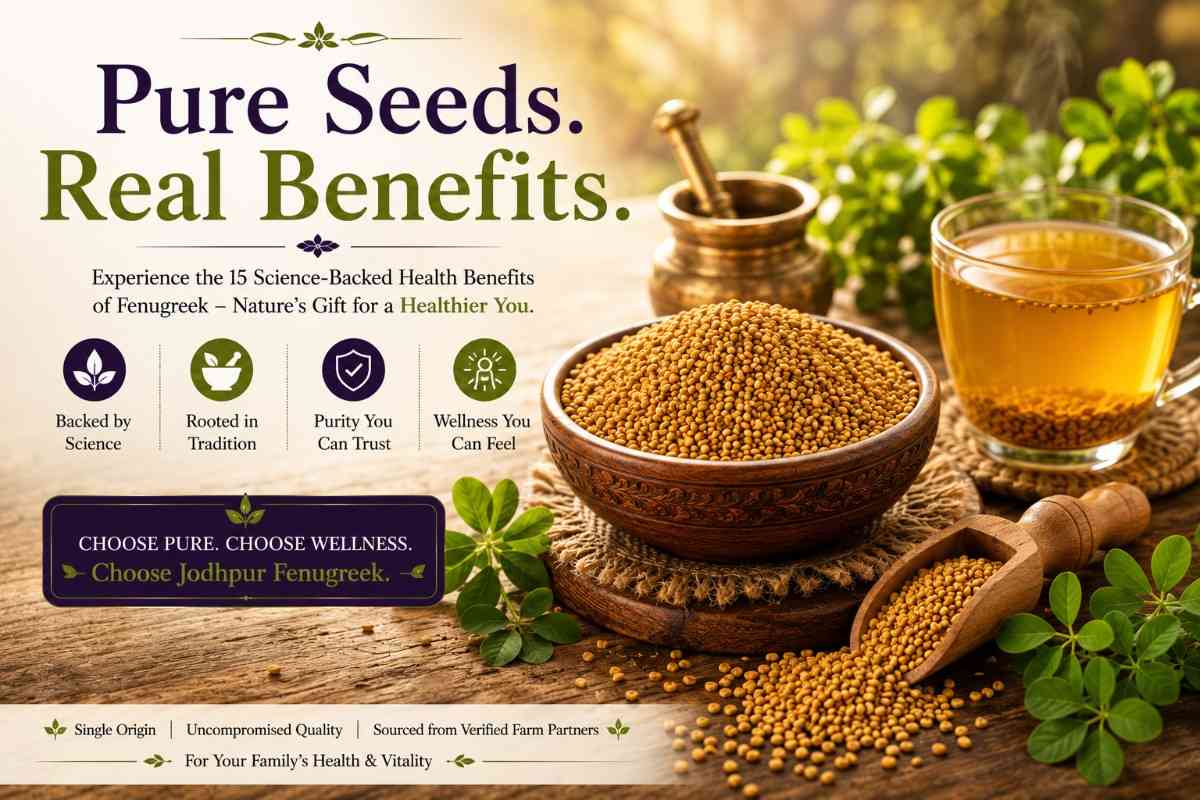
If your local grocery store had this kind of exotic plant pill that could lower your blood sugar, increase your free testosterone, and get rid of your bloating overnight, of course, it would be a premium product. But the reality is that it is sitting silently in a plastic jar on your kitchen counter, disguised as an ordinary spice.
Botanically, it’s very obvious. The real fenugreek benefits are not limited to just food uses. In fact, the ancient healing systems have been recognizing methi benefits for thousands of years, and now, modern scientific studies are doing the work of your grandmother’s wisdom.
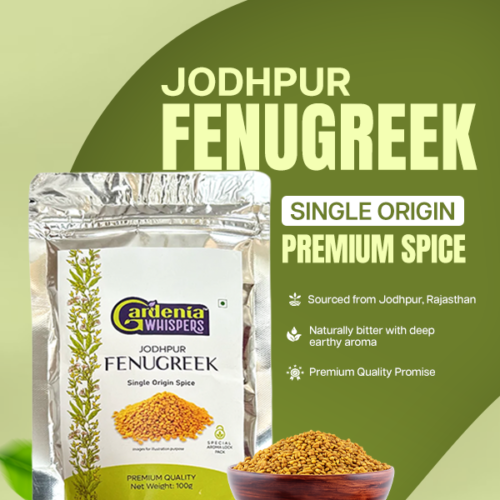
Then again, to get the most powerful medicinal effect, clinical purity is indispensable. It is a fact that most people are unaware that the ordinary yellow seeds which they get at the market are the product of a very high degree of fenugreek adulteration and are usually mixed with dust, pebbles, or other wild seeds that look alike. So, if you want to experience the real medical benefits of fenugreek, you need to go away from mass-market supply chains and only take the pure methi seeds like Jodhpur Fenugreek sourced directly from verified farm partners.
Here are 15 scientifically proven fenugreek seed health benefits, and also discussion on why the source of seed is a key thing in your health result.
The Metabolic and Hormonal Breakthroughs
1. Better Management of Type 2 Diabetes
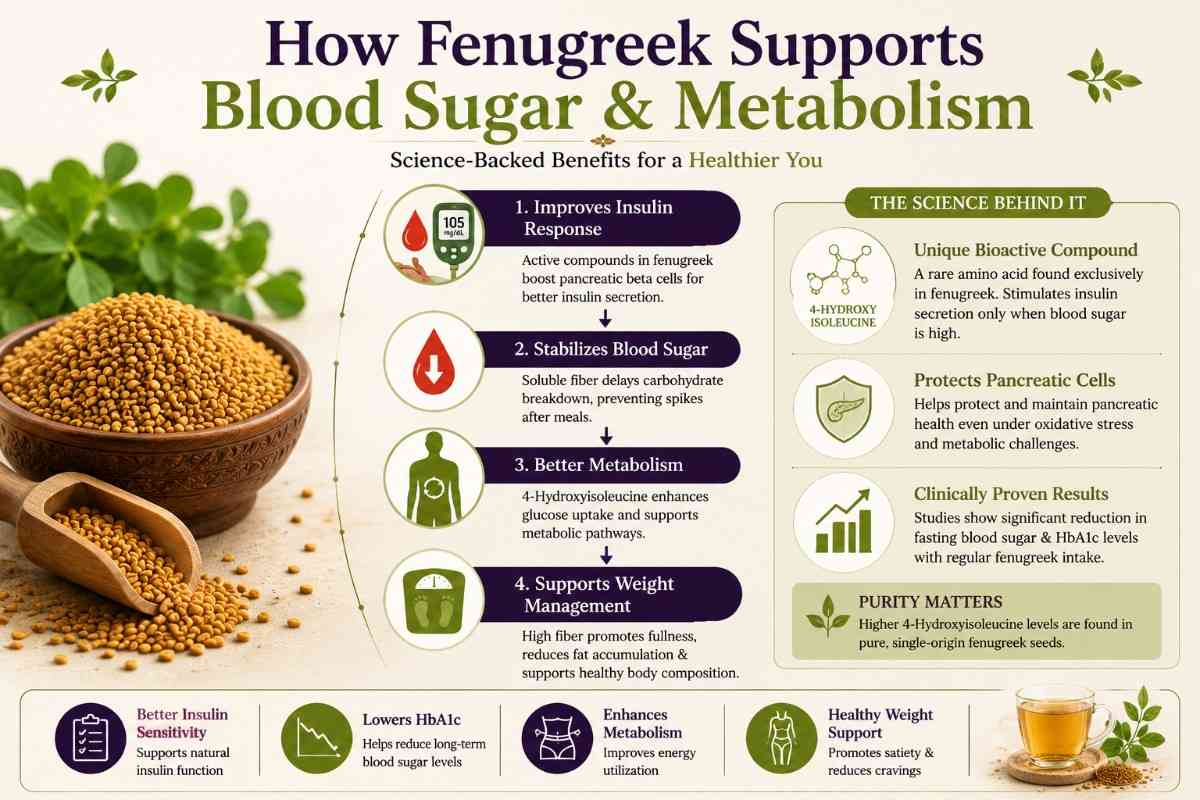
It is consistently supported by scientific research that fenugreek for diabetes acts as an extraordinary main treatment. These golden seeds harbor distinctive soluble fibers that delay the breakdown of carbohydrates, because of this avoiding harmful rises in blood sugar levels after meals.
Insulin Sensitivity: The active compounds boost the pancreatic beta cells which results in better control of insulin secretion on a daily basis.
HbA1c Reduction: In a 12-week period, taking fenugreek regularly shows significant reduction in the measures of long-term blood sugar levels.
2. The Effectiveness of 4-Hydroxyisoleucine
Most the evidence for fenugreek for diabetes comes from a rare, specialized amino acid that is 4-hydroxyisoleucine. It is a compound absent in human cells naturally, and has been found exclusively in fenugreek seeds.
Glucose-Dependent Modulation: 4-hydroxyisoleucine influences metabolic paths by encouraging insulin secretion only when glucose levels in the blood are high.
Pancreatic Protection: The studies provide evidence that 4-hydroxyisoleucine helps to keep the pancreatic cells active and healthy, even when the body is undergoing oxidative stress.
Why this matters for purity: Here is where the quality of your fenugreek becomes a non-negotiable factor. Research indicates that fresh, properly harvested fenugreek seeds from single-origin Rajasthani farms contain significantly higher concentrations of 4-hydroxyisoleucine compared to bulk commercial batches.
A review in Molecules (2016) by Avalos-Soriano et al. confirmed that conventional seed extraction methods yield as little as 0.6% 4-hydroxyisoleucine, while optimized methods can reach much higher concentrations (Avalos-Soriano et al., Molecules, 2016; 21(11):1596; PMID: 27879673).
3. Boosting Testosterone Naturally
Those who wish to enhance their hormone levels in a natural way should consider fenugreek for testosterone as even modern sports medicine levels it highly.
Enzyme Inhibition: The seed’s special glycosides do the job of inhibiting certain enzymes that cause the conversion of biologically active testosterone into estrogen.
Most recently, a 2024 double-blind randomized controlled trial published in PLOS ONE involving 95 men aged 40–80 found that fenugreek extract at 1800 mg daily increased the Free Testosterone Index by 12.2% and saliva testosterone by 37.2% versus placebo over 12 weeks (Lee-Ødegård et al., PLOS ONE, 2024).
4. Direct Support for Maintaining a Healthy Weight
Methi seeds accelerate the metabolism naturally, that is why they are important for the monitoring of one’s body composition. When combined with metabolism-boosting practices like drinking jeera water for weight loss, the results can be even more pronounced.
Appetite Suppression: Your brain receives the signal of satiety when very high amount of water-soluble galactomannan fiber are ingested, and these fibers swell in the stomach indicating fullness that lasts for a long time.
A review published in Advances in Nutrition (2015) confirmed that galactomannan fiber from fenugreek directly impacts metabolic syndrome, including satiety signaling and delayed gastric emptying (Fuller & Stephens, Adv Nutr, 2015; 6:189-197).
Lipid Breakdown: Active compounds act to reduce the accumulation of fat inside the belly by promoting liver lipid pathways.
5. Modulation of Blood Cholesterol Levels
To protect your heart, you need to ensure that your lipids are at the right levels.
Lowering LDL: Research shows that intake of phenylpropanoids through pure methi seeds reduces LDL cholesterol without changing protective HDL levels. A 2024 meta-analysis of 19 clinical trials in Heliyon found that fenugreek supplementation significantly reduced total cholesterol by 33.1 mg/dL and LDL cholesterol by 29.14 mg/dL, while simultaneously increasing protective HDL cholesterol by 5.68 mg/dL (Heliyon, 2024).
Bile Secretion: The steroidal saponins present in the spice help in speeding up the processing of excess cholesterol into natural bile acids.
Digestive Health and Systemic Vitality
6. Relieving Chronic Acid Reflux and Heartburn
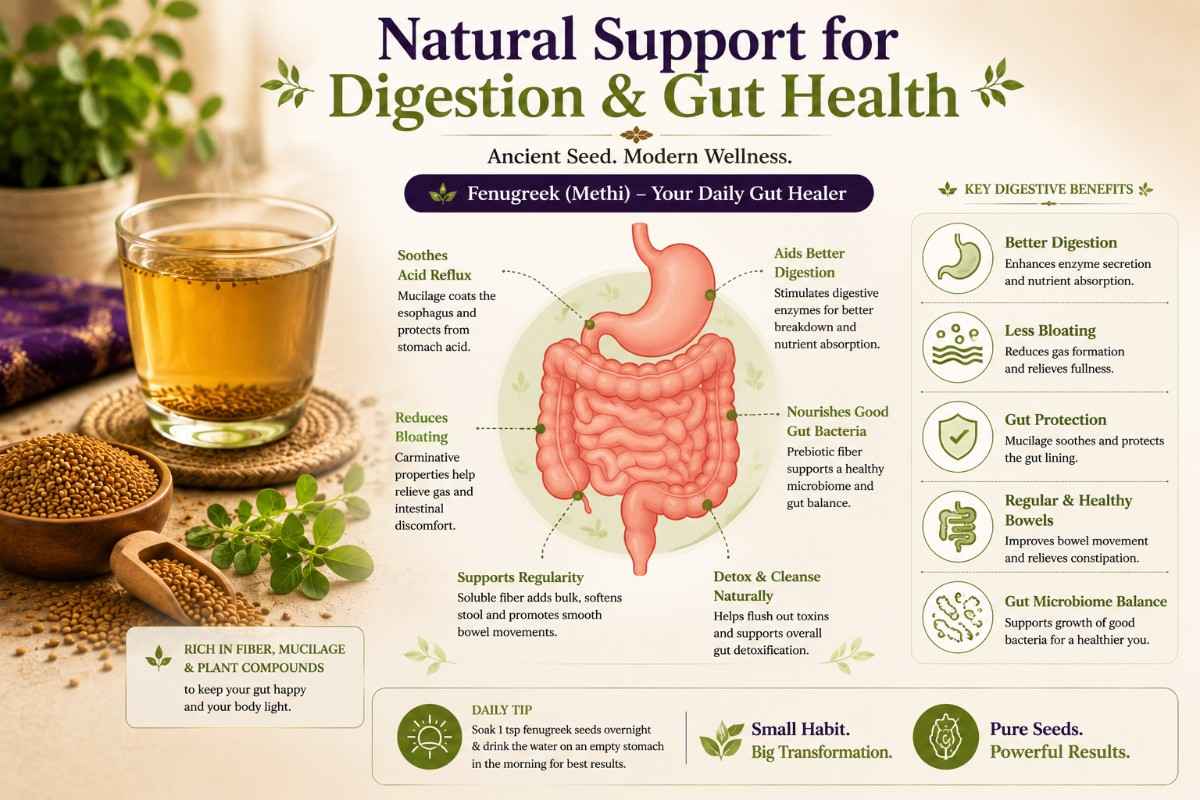
Using fenugreek to aid digestion not only addresses the root cause but also results in deep physical relief for those experiencing painful hyperacidity.
Mucilage Coating: Fenugreek’s increased mucilage content brings a protective layer to your esophageal lining. The high galactomannan content constituting approximately 45-60% of the seed weight forms a viscous gel upon hydration that acts as a natural physical barrier (Fuller & Stephens, Adv Nutr, 2015).
Acid Shield: It naturally forms a kind of shield that physically protects your esophagus from the harmful effects of stomach acids.
7. Eliminating Chronic Bloating and Flatulence
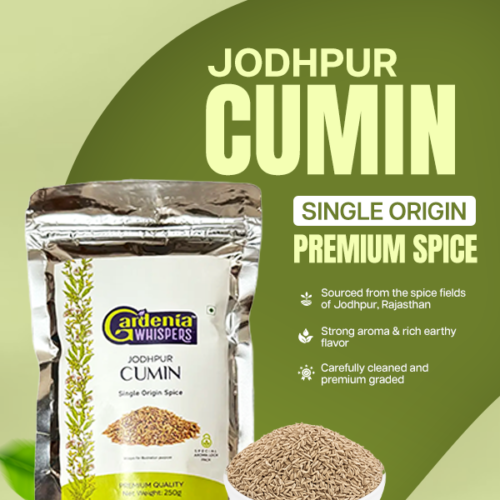
Incorporating fenugreek for digestion into your lifestyle is a first class carminative that can help soothe and settle an unruly gut. Much like the digestive benefits offered by Jodhpur cumin, fenugreek stimulates the body’s natural enzyme production to break down food more completely.
Enzyme Activation: Fenugreek leads to an increased secretion of pancreatic enzymes, the enzymes responsible for digesting all your meals.
Gas Prevention: By killing the bacteria in the intestines that cause fermentation, it prevents the formation of gas at the very beginning.
8. Systemic Cleanse of Early Morning Rituals
Structured morning ritual is one of the most effective ways to maximize the methi benefits for the entire system. Drinking morning infusions truly can cause wellness beyond your imagine.
Nutrient Extraction: Extracting water-soluble vitamins in seed by soaking overnight is what maximizes methi water benefits.
Metabolic Kickstart: Drinking this warm tonic on an empty stomach activates your digestive system and releases toxins trapped in the cells.
9. Accelerating Colon Cleanse and Regularity
Weakness in the bowel due to incomplete defecation often responds marvelously to the fiber concentration found naturally in methi seeds benefits.
Stool Softening: The mucilage, a form of dietary fiber, holds water making the intestinal motion slippery and painless.
Microbiome Balancing: Besides being a source of fiber, the seed fibers also act as prebiotics, providing the beneficial bacteria in your gut with food.
10. Strong Systemic Anti-Inflammatory Effect
Long-lasting inflammation at the cellular level is why of joint pain and the body’s metabolic overwork. Anti-inflammatory spices like fenugreek work particularly well when combined with other powerful compounds such as those found in Lakadong turmeric, creating a synergistic effect against chronic inflammation.
Aromatic Protection: The abundance of natural flavonoids and alkaloids eases the triggering of systemic inflammatory pathways. A comprehensive review documented that fenugreek’s bioactive compounds exert their anti-inflammatory effects through reduced activation of JNK and NF-κB inflammatory pathways (PMC, 2024; PMC11240913).
Relief for Joints: Taking it consistently can result in a level of comfort similar to that provided by mild non-prescription anti-inflammatory drugs.
Specialized and Advanced Wellness Benefits
11. Maximizing Natural Breastmilk Production
Historically, the most known fenugreek benefits seeds have been in the arena of postpartum recovery and breastfeeding support.
Galactagogue Effect: The phytoestrogens in the seeds act on the mother’s sweat glands and in turn daily milk production capacity is structurally enlarged. A network meta-analysis in Phytotherapy Research (2018) covering 5 studies with 122 participants demonstrated that consumption of fenugreek significantly increased the amount of produced breast milk by 11.11 mL versus placebo (Khan et al., Phytother Res, 2018; 32(3):402-412; PMID: 29193352).
Baby’s Hydration: Clinical studies indicate a positive maternal intake with infant’s continuing weight gain. Infants of mothers who consumed galactagogue herbal tea containing fenugreek showed significantly lower maximum weight loss and regained their birth weight earlier (Turkyilmaz et al., J Altern Complement Med, 2011; PMID: 21261516).
12. Repairing Hair Loss and Dandruff
Both topical and oral administration of methi benefits strengthens hair follicles at structural level.
Strengthening Hair: The high levels of protein and nicotinic acid found in the spice facilitate follicle reversal therefore combating thinning.
Fighting Scalp Microbes: These natural antifungal agent help eliminate the tough yeasts that cause dandruff flakes, because of this helping in scalp microbial control.
13. Deep Dermatological Repair and Anti-Aging
The structural antioxidant ability that is natural to fenugreek benefits protects your skin cells from environmental damage.
Getting Rid of Blemishes: The natural antibacterials in the fenugreek easily keeps acne breakouts at bay, inside and out.
Preserving Collagen: The ingredients that help collagen production also act as antioxidants, resist free radicals and keep skin elastic, because of this reducing wrinkles and fine lines.
14. Soothing the Intense Pain of Menstrual Cramps
The anti-nociceptive properties of methi seeds benefits work well during periods to deliver a welcome relief.
Relaxation of Uterus Muscles: Potent magnesium and alkaloids in methi seeds ease sharp uterine contractions. A double-blind, randomized, placebo-controlled trial involving 101 students showed that taking 900 mg of fenugreek seed powder three times daily during the first 3 days of menstruation resulted in statistically significant decreases in pain severity and reliance on conventional painkillers (Younesy et al., J Reprod Infertil, 2014; 15(1):41-48; PMID: 24695380).
Reduction of Symptoms: Clinical studies show a marked decrease in tiredness, vomiting and headache symptoms together with pain relief. A separate study compared fenugreek with mefenamic acid (a standard NSAID) for primary dysmenorrhea and found fenugreek was effective at reducing menstrual pain intensity (Parveen et al., Chin J Integr Med, 2016; PMID: 27225291).
15. Safeguarding the Crucial Kidney and Liver Functions
Antioxidant support is what your body’s cleansing organs need to function at their best.
Nephroprotective Shield: Intake of raw methi seeds inhibits the formation of unhealthful calcium oxalate crystals turning into excruciating kidney stones.
Enzyme Preservation: Liver protective polyphenols through the downregulation of the liver enzyme activities help reduce liver damage.
How Fenugreek Is Adulterated: The Hidden Threat in Your Spice Jar
While looking through the full list of fenugreek seeds health benefits, the realization will be that your health depends totally on clean sourcing. But what exactly happens between the farm and your kitchen? The answer is far more disturbing than most consumers imagine.
A 2022 report by the Food Safety and Standards Authority of India (FSSAI) found that nearly 15% of ground spices sold in open markets were adulterated with artificial colouring agents, starch fillers, or non-edible husks. For fenugreek specifically, the adulteration problem runs deep because methi seeds are small, uniform-looking, and easy to tamper with at the wholesale level.
The Common Fillers and Contaminants
According to the Warehousing Development and Regulatory Authority (WDRA) of India, foreign matter in fenugreek batches includes husks, straws, weed seeds, other inedible grains, metallic pieces, sand, gravel, dirt, pebbles, stones, lumps of earth, clay, mud, and even animal filth. But the deliberate adulterants are worse:
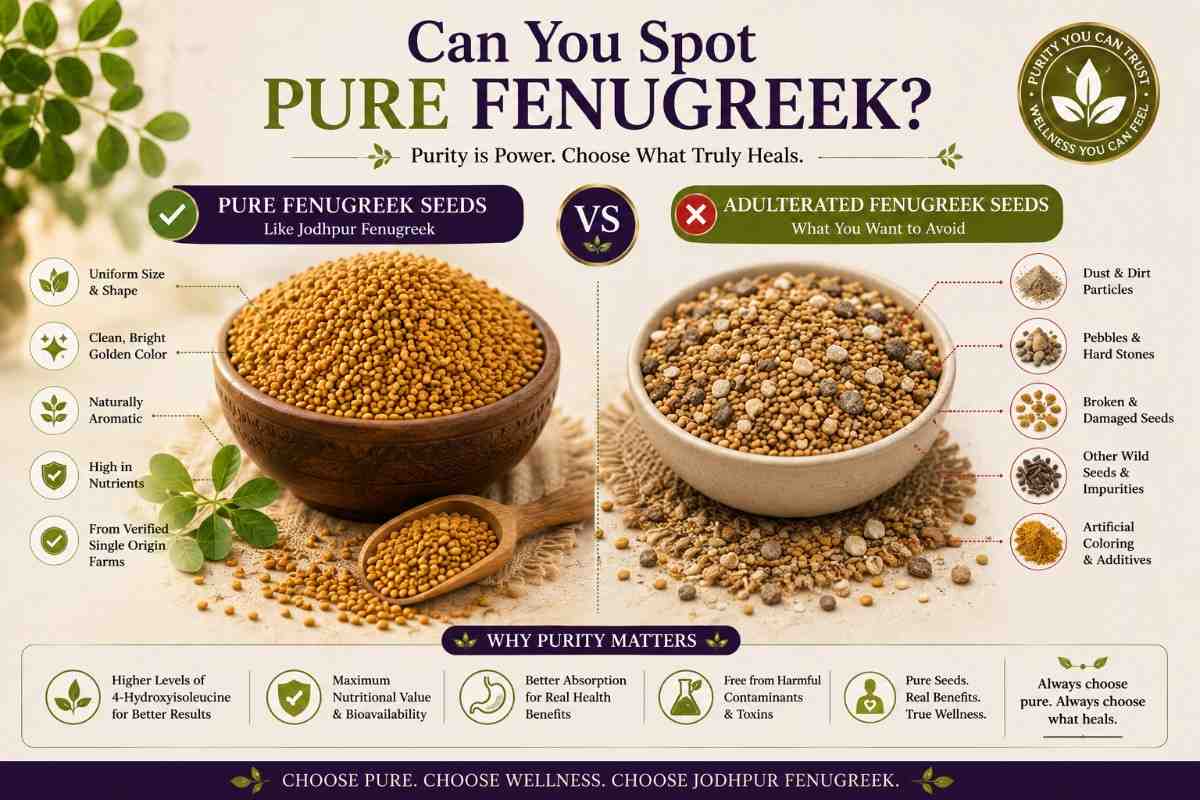
Roasted Chickpea Fragments: Small broken pieces of roasted chana dal are one of the most common fillers found in methi seeds. They look remarkably similar in colour and size to genuine fenugreek after being tumbled in the same batch, but they contain zero medicinal compounds.
Mustard Seed and Cassia Bark Fragments: Cheaper wild mustard seeds and broken cassia pieces are mixed into wholesale lots because their density and colour profile closely mimic aged fenugreek at a glance. An authentic fenugreek seed is uniformly trigonous (three-angled), 2.5–3.5 mm long, and flat-faced. Adulterants are typically rounded, spherical, or irregularly shaped.
Artificial Colour Enhancement: Some processors apply synthetic yellow dyes, specifically Metanil Yellow, which is a non-permitted coal-tar dye, to old or degraded fenugreek batches. This makes stale seeds appear fresh and golden. Metanil Yellow is classified as toxic and is linked to serious health effects on prolonged consumption.
Pesticide Residues and Depleted Seeds: Large aggregators often mix pesticide-treated reject batches, leftover processing waste, and seeds that have already had their essential oils extracted (through industrial steam distillation) back into retail-grade lots. These depleted seeds retain the visual appearance of fenugreek but have been stripped of the very compounds, including 4-hydroxyisoleucine, that make fenugreek therapeutically active.
Starch and Chalk Powder: In ground fenugreek powder (methi powder), the problem multiplies. FSSAI’s own DART (Detect Adulteration with Rapid Test) programme lists starch and chalk as common adulterants in powdered spices, added to increase weight and volume at almost no cost.
This is not just about flavour. When your fenugreek seeds are cut with inert fillers and chemically treated to look right, the per-gram concentration of 4-hydroxyisoleucine, galactomannan fiber, and steroidal saponins collapses. You are essentially consuming a placebo, paying the price of a healing spice but receiving none of its actual therapeutic power.
What Pure Fenugreek Looks Like: The Gardenia Whispers Difference
So how do you know whether what you are holding is genuine, therapeutically potent fenugreek? At Gardenia Whispers, we believe the answer should be obvious to your own senses. Here is exactly what to look for.
Visual Appearance
Genuine, single-origin Jodhpur fenugreek from Gardenia Whispers has a distinctive warm amber-to-light-golden-brown colour. Not a flat, uniform artificial yellow. Not a dark, dull brownish tone that indicates over-processing or age. Every seed carries a natural, subtle colour variation that comes from being sun-dried in Rajasthan’s dry desert climate rather than being machine-tumbled through industrial heat dryers.
Each seed is uniformly trigonous, meaning it has three clean, angular faces. The surface is smooth and glossy, not chalky, dusty, or matte. The size is consistently 2.5–3.5 mm, and when you pour a handful onto a white plate, you will not find a single rounded, spherical, or broken foreign particle.
Aroma Profile
This is where the purity test becomes unmistakable. Crush a single Gardenia Whispers fenugreek seed between your clean fingernails. What you should detect immediately is a warm, deep, maple-like sweetness. That is sotolone, the signature volatile compound in genuine methi, and it is present at concentrations above 0.5% only in seeds that have been harvested at proper maturity and never exposed to industrial heat processing.
Generic market fenugreek has a flat, dusty, slightly musty smell, and sometimes no aroma at all. That is the single strongest indicator that the seeds have either been depleted through prior oil extraction, stored improperly for extended periods, or adulterated with inert filler material.
Why Your Fenugreek Quality Matters More Than You Think
Fenugreek seeds contain a special compound called 4-hydroxyisoleucine. This is the ingredient that actually controls blood sugar, burns fat, and boosts testosterone. Without enough of it in your seeds, you get zero health benefits no matter how much methi you eat.
The problem is that not all fenugreek seeds have the same amount of this compound. It depends on three things: where the seeds were grown, how they were dried, and how long they sat in a warehouse before reaching you.
That is the difference between methi that actually works and methi that is just a yellow seed with no medicinal value.
Parameter
Gardenia Whispers Fenugreek
Generic Market Fenugreek
4-Hydroxyisoleucine (the key medicinal compound)
0.85% to 1.90% high because seeds are dried at low temperature and packed fresh at the farm
0.015% to 0.40% low because seeds pass through many hands and lose potency during storage
Fiber Content (galactomannan)
45 to 60% of seed weight stays intact because seeds are handled gently without machine grinding
Much lower fiber breaks down during rough industrial processing and long transport
Aroma (sotolone; the maple-like smell)
Strong and warm when you crush a seed this means the natural oils are still alive
Weak, flat, or no smell at all this means the oils have evaporated or been stripped out
Purity and Contamination
Clean single-origin supply with no middlemen, no artificial colours, no fillers
FSSAI found 15% of market spices mixed with dyes, chalk, chickpea fragments, or starch
Saponins (heart and hormone health compounds)
Fully preserved at 0.50% to 0.93% because of gentle sun-drying
Reduced industrial steam extraction and heat processing destroy these compounds
How the seeds look
Every seed has three clean flat faces, smooth shiny surface, golden-amber colour, consistent 2.5 to 3.5 mm size
Mixed shapes, dull or chalky surface, artificially bright yellow or dark brown, broken pieces and foreign particles visible
How seeds are processed after harvest
Sun-dried in Rajasthan’s natural desert heat and packed at the farm within days
Machine-dried at high temperatures, stored in hot warehouses for months, sold through multiple wholesalers
The Quest for Genuine Quality
To completely avoid the risks of modern fenugreek adulteration, you should only buy pure methi seeds that have been verified by a clear, single-origin supply chain. If your spices are processed by machines in an aggressive manner that strips them of their volatile compounds, then your therapeutic effects are going to be zero.
Quick Purity Tests You Can Do at Home
The Water Test: Place 10 grams of seeds in 100 mL of clean water. Genuine methi sinks completely within 15 seconds due to its natural density of approximately 1.12 g/cm³. Adulterants like mustard fragments, lentil pieces, or chickpea particles will float or remain suspended.
The Crush Test: Crush a seed between your fingernails. Pure fenugreek releases an immediate warm, maple-hay sweetness (sotolone). If you get a flat, dusty, or musty smell, or no aroma at all, the seeds are either stale, depleted, or adulterated.
The Colour Test: Rub a small quantity of seeds with a damp white cloth. Genuine fenugreek leaves no colour transfer. If you see yellow staining on the cloth, it indicates the presence of artificial dyes such as Metanil Yellow.
Key Takeaways for Daily Wellness
Metabolic Mastery: Among the many health benefits fenugreek offers, its one that helps control blood sugar brilliantly due to the presence of the compound 4-hydroxyisoleucine.
Hormonal Upgrades: Taking fenugreek for testosterone boost is a natural and effective way to increase one’s physical capabilities and overall male energy.
Gut Optimization: Consuming a fresh fenugreek tea first thing in the morning will give you amazing results of methi water benefits thereby making it a very simple and easy step in the long-term fenugreek for digestion therapy.
Purity Matrix: To get all the wonderful effects of fenugreek mentioned here, one must only buy premium seeds of the highest quality which have not been subjected to the usage of any commercial chemicals during their production.
Final Thoughts
On the contrary, it is a massive lost opportunity for your health without the daily methi benefits, this you cannot evade when you closely examine the astonishing clinical science behind this ancient spice. Still, to produce real-world, visible physical changes from these 15 magnificent fenugreek seeds health benefits, it takes a total dedication to absolute ingredient purity.
Here at Gardenia Whispers, we do not accept the severely compromised standards of the modern, mass-produced corporate farming. We get our single-origin Jodhpur Fenugreek directly from our farm partners in Rajasthan who are fully committed to sustainable agriculture, ensuring that the crops are grown in the most pristine conditions. And conducting small-batch packaging at the farm gates, we also maintain the natural botanical profile, because of this preserving the high levels of 4-hydroxyisoleucine.
We would be happy to show you the profound, clean aromatic difference of a business that is entirely built on transparency, sustainability, and small-batch excellence. Upgrade your daily kitchen and wellness rituals with our help.
FAQs on the Benefits of Fenugreek
Is methi good for weight loss?
Yes, fenugreek seeds are rich in galactomannan, a water-soluble fiber that expands in the stomach and creates a prolonged feeling of fullness. This natural appetite suppression helps you consume fewer calories throughout the day without feeling deprived. The seeds also contain compounds that promote liver-based lipid metabolism, which means your body becomes more efficient at breaking down stored abdominal fat. For best results, soak a teaspoon of pure Jodhpur fenugreek seeds overnight and drink the infused water warm each morning before breakfast.
How to use methi for hair?
Soak two tablespoons of fenugreek seeds in water overnight until they become soft and slightly mucilaginous. Grind them into a smooth paste the next morning and apply directly to your scalp and hair roots. Leave the paste on for 30 to 45 minutes, then rinse with a mild shampoo. The high protein and nicotinic acid content in methi strengthens hair follicles from the root, reduces breakage, and helps control dandruff-causing fungi on the scalp. Doing this once a week consistently for six to eight weeks typically shows visible improvement in hair density and scalp health.
Is methi good for diabetes?
Fenugreek is one of the most extensively studied natural aids for blood sugar management. The seeds contain a rare amino acid called 4-hydroxyisoleucine that directly stimulates insulin secretion from pancreatic beta cells, but only when blood glucose levels are elevated. This glucose-dependent action makes it a remarkably targeted support for people managing type 2 diabetes. Clinical trials have shown measurable reductions in fasting blood sugar and HbA1c levels after 12 weeks of regular fenugreek consumption. However, it should always complement your prescribed treatment, never replace it.
How to use methi seeds?
There are several effective ways to incorporate methi seeds into your daily routine. For digestive support, soak one teaspoon overnight in water and drink the infusion warm on an empty stomach. For cooking, add whole seeds to your tadka (tempering) at the start of preparing dals, curries, or vegetable dishes — they pair especially well with other tempering spices like cumin and mustard seeds. You can also dry-roast and coarsely grind them to sprinkle over salads and raita. For topical hair and skin applications, grinding soaked seeds into a paste works best.
What happens if you eat methi every day?
Eating a small measured amount of fenugreek daily, roughly one teaspoon of seeds or a handful of fresh leaves, can gradually improve your digestive regularity, support stable blood sugar levels, and provide a steady supply of iron and antioxidants. Over time, the cumulative anti-inflammatory effects may also reduce joint stiffness and improve skin clarity. The key is moderation and consistency. Excessive daily consumption beyond recommended amounts may lead to mild stomach upset, a maple-syrup-like body odour, or digestive gas in some individuals. Start small and let your body adjust.
What are the top 10 benefits of fenugreek?
The most widely recognised benefits include regulating blood sugar and improving insulin sensitivity, lowering LDL cholesterol while maintaining HDL, supporting healthy weight management through natural appetite suppression, relieving chronic acid reflux and bloating, boosting breast milk production in new mothers, reducing menstrual cramp severity, strengthening hair follicles and fighting dandruff, protecting skin through antioxidant and antibacterial action, lowering systemic inflammation for joint comfort, and supporting liver and kidney detoxification pathways. The quality of seeds directly impacts how strongly you experience these benefits.
Does fenugreek help with PMS and menstrual pain?
Fenugreek contains natural anti-inflammatory compounds and a significant concentration of magnesium, both of which help relax uterine smooth muscles and reduce the severity of menstrual cramps. Clinical research has documented reductions not just in pain intensity but also in associated symptoms like fatigue, nausea, headaches, and mood fluctuations during the menstrual cycle. Some studies also suggest fenugreek may help regulate irregular cycles and alleviate certain symptoms associated with PCOS, though this should always be managed under medical supervision.
Can methi leaves help lower cholesterol?
Yes, both fenugreek seeds and fresh methi leaves contain fiber and saponins that contribute to reducing LDL cholesterol and supporting overall cardiovascular health. While seeds have a higher concentration of these active compounds, incorporating fresh methi leaves (methi saag) regularly into your cooked dishes provides a gentler daily dose of these lipid-lowering benefits along with additional vitamins A and C. Using both forms in rotation throughout the week gives you the broadest spectrum of heart-protective nutrients.
Can I eat methi every day safely?
Yes, fresh methi leaves and a measured amount of methi seeds can be consumed daily as part of a balanced diet. In Indian households, methi is a staple ingredient used in parathas, dals, sabzis, and chutneys without any adverse effects. For seed-based infusions or supplements, sticking to one teaspoon of seeds per day is a safe starting point. If you are on blood sugar medication, blood thinners, or are pregnant, consult your doctor before making concentrated fenugreek a daily habit, as it can amplify certain drug effects.
How should I store fresh methi leaves to keep them fresh longer?
Wash the fresh methi leaves thoroughly, remove any yellowed or damaged ones, and spread them on a clean kitchen towel to air-dry completely. Once dry, wrap them loosely in a paper towel and place inside an airtight container or zip-lock bag in the refrigerator. This method keeps them fresh for five to seven days. For longer storage, chop the clean dry leaves finely and freeze them in ice cube trays or small portions in freezer bags. Frozen methi retains its flavour well for up to three months and can be added directly to hot dishes without thawing.
Is fenugreek safe for men to consume daily?
Yes, fenugreek is not only safe for men but particularly beneficial. The furostanolic saponins in methi seeds have been studied for their ability to naturally support healthy testosterone levels by inhibiting enzymes that convert testosterone into estrogen. Athletes and fitness enthusiasts have reported improvements in lean muscle development, exercise performance, and recovery when supplementing with fenugreek consistently. As with any concentrated supplement, keeping to recommended quantities and cycling your intake (six weeks on, two weeks off) is a sensible long-term approach.
References
Sauvaire Y, et al. 4-Hydroxyisoleucine: a novel amino acid potentiator of insulin secretion. Diabetes. 1998;47(2):206-210. PMID: 9519714
Avalos-Soriano A, et al. 4-Hydroxyisoleucine from Fenugreek. Molecules. 2016;21(11):1596. PMID: 27879673