
How We Source
Every spice at Gardenia Whispers starts life in one specific place, grown by one farming community, in the soil and climate that made it what it is. This is how we get it to you without losing any of that.
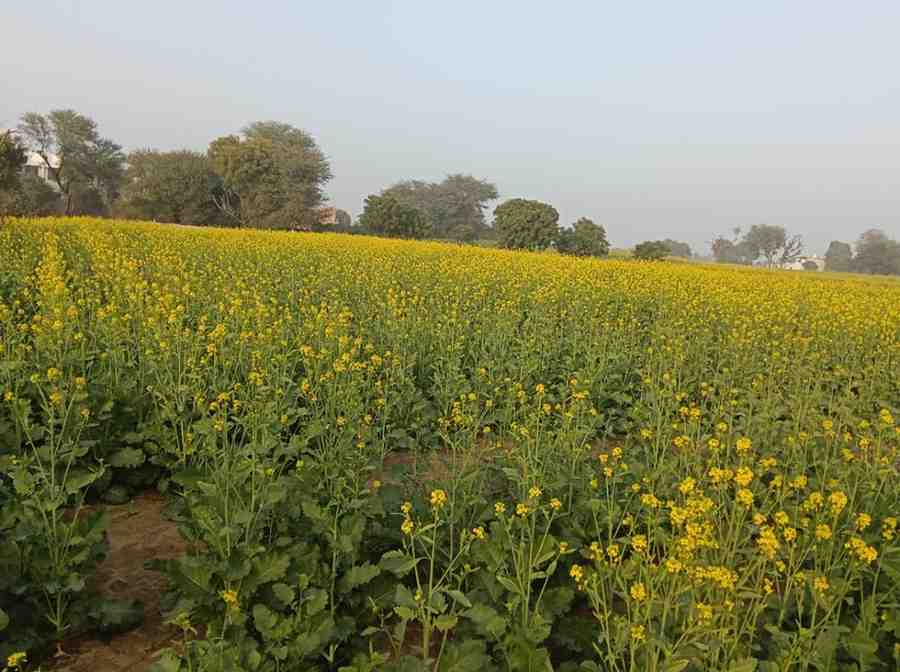 Mahendragarh, Haryana
Farm to Your Kitchen: The Exact Path
No commodity exchange. No anonymous warehouse. No blending facility. Here is every step between the farmer’s field and your kitchen, and what happens at each one to protect quality.
GI-Origin / Birthplace Farm
Sourced from the precise region where each spice achieves its highest essential oil content and potency. The geography is not a backdrop. It is the starting point.
Hand Harvest
Traditional harvesting by farming communities who have cultivated these crops for generations, using methods refined by ancestral knowledge.
NABL Lab Test — 230+ Parameters
Over 230 parameters tested by a government-accredited third-party laboratory before we accept any batch. Purity, authenticity, moisture, and adulterant screening all covered.
Clean and Pack
Cleaned, stored in moisture-free and light-controlled conditions, and packed in aroma-sealing, UV-protective food-grade packaging.
Direct Ship
From our facility directly to you. No redistribution centres, no blending with other brands, no anonymous warehouse.
Your Kitchen
A spice that still carries the character of its origin: aroma, colour, and potency intact from the field to your cookpot.
Origin Is Not a Story. It Is the Spice.
Move a spice out of its native geography and something is always lost. The curcumin content of Lakadong turmeric drops when it is grown outside Jaintia Hills. The volatile oil in Kanyakumari cloves is a product of the Western Ghats elevation and sea mist. Origin is not a marketing detail. It is the compound that makes the difference.
Soil Chemistry
The mineral composition of origin soil directly feeds essential oil development. Laterite soil of Idukki’s Cardamom Hills produces cardamom with a volatile oil content the same variety grown elsewhere cannot replicate.
Climate and Rainfall
Kerala cardamom receives both southwest and northeast monsoons. This dual rainfall pattern gives pods a depth of moisture and flavour compound that single-monsoon regions cannot match.
Altitude and Microclimate
Kanyakumari cloves grow at 400 to 900 metres above sea level. The combination of altitude, sea mist, and Western Ghats humidity gives them the highest volatile oil content.
GI Tag Protection
A Geographical Indication tag legally guarantees that only produce from a named region can carry that region’s name. It protects you from imitation and protects the farming community that built the reputation.
Traditional Cultivation
Farming families in origin regions carry cultivation knowledge refined over generations. The methods that produce the best spice are not documented in manuals. They are inherited, lived, and practiced daily.
Full Traceability
When we buy direct from origin farmers under written agreements, we know where the spice grew, how it was tended, and when it was harvested. That traceability disappears the moment a middleman enters.
Every Origin, Named and Known
These are not region estimates or approximate sourcing zones. These are the exact communities and districts where each Gardenia Whispers spice is grown, and why that specific geography matters for quality.
Kerala Origins
Grown in the Cardamom Hill Reserve of Idukki district, where over 80% of India’s cardamom originates. Elevation above 900 metres, dense forest canopy, and laterite soil produce the world’s highest volatile oil content in cardamom.
The scarlet aril wrapping the nutmeg seed inside the same Myristica fragrans tree. Idukki’s tropical humidity and rich forest soil make it among India’s most aromatic mace growing zones.
Consistent tropical warmth, ample rainfall, and forest shade allow the nut to develop deep, complex essential oils. A single tree can bear fruit for up to 90 years.
Kanyakumari produces 750 of India’s 1,000 metric tonne annual clove output. Grown at 400–900m in the Western Ghats, with the highest volatile oil and deepest eugenol concentration.
India’s original spice export. Malabar coast pepper carries a complex heat with floral and woody undertones that Indonesian or Vietnamese pepper cannot replicate.
Northeast India Origins
Standard turmeric contains 1–3% curcumin. Lakadong turmeric tests at 6–12%. Around 14,000 farmers across 43 villages cultivate this variety using traditional, chemical-free methods. GI tagged in March 2024.
Native to tropical Himalayan forests stretching into Northeast India. Meghalaya’s high-rainfall environment produces tejpatta with a rich, clove-like aroma distinct from Mediterranean bay laurel.
One of the rare Indian-grown varieties of a spice most kitchens buy anonymously imported. Develops a deep reddish-brown bark with bold, warm-sweet aroma and high cinnamaldehyde content.
Rajasthan Origins
Rajasthan produces more than 50% of India’s cumin. The arid Thar Desert climate concentrates essential oils, producing cumin with a sharp, earthy aroma and clean warm finish.
Rajasthan produces approximately 90% of India’s fennel. The Bilara–Nagaur–Jodhpur belt yields vibrant green seed rich in essential oils with natural sweetness and a cooling property.
A finer variety from the same belt, prized for a more delicate aromatic profile and softer texture, used in speciality preparations and as a mouth freshener.
Rajasthan accounts for over 80% of India’s fenugreek production. Arid conditions and calcareous soils produce seeds with a slightly bitter, nutty, maple-like flavour.
Dried fenugreek leaves cultivated in an arid climate that concentrates aromatic compounds, prized for intense fragrance and slightly bitter warmth in curries and flatbreads.
Known as the Coriander City of India, hosting Asia’s largest coriander market, receiving up to 6,500 tonnes in a single day during harvest season.
A licensed and government-regulated cultivation district. Valued for nutty, mildly sweet flavour and consistent natural colour with high oil content.
Madhya Pradesh Origins
One of India’s most important spice trading centres, with deep agricultural ties to the kalonji crop and its slightly bitter, onion-like, faintly peppery profile.
Known for potent thymol content. The dry, continental climate produces ajwain with a concentrated essential oil profile far more assertive than humid-region ajwain.
Prized for sharp, pungent flavour and characteristic popping behaviour when tempered in hot oil. A well-connected market ensures clean, sortex-grade seeds.
Other Origins
Benefits from the dry, cool rabi growing season and mineral-rich soils of the southern Haryana plains, yielding deep, robust pungency and high oil content.
Cinnamomum verum is botanically different from cassia, with a lighter, more delicate, almost floral flavour. Thin, multi-layered quills and low coumarin content make it the preferred choice for sweet preparations.
Why Direct. Why Always.
The mainstream spice industry is built on intermediaries. A spice changes hands four, five, sometimes seven times between the farmer and your kitchen. At each handover, provenance becomes less certain, blending becomes more likely, and the incentive to maintain exceptional quality diminishes.
Gardenia Whispers was founded specifically to remove that chain. We identify the origin region first. We find farmers in that region whose values and practices align with ours. We test their produce rigorously before entering into a written agreement. And we pay them above prevailing market rates, because that premium is the single strongest guarantee of quality we can create.
Supply chain visibility is not just an ethical position for us. It is a quality mechanism. When we know exactly which farm a spice came from, we can trace any quality concern back to its source and resolve it. When spices pass through anonymous commodity markets, that traceability disappears permanently.
We also do not buy from geographic regions we cannot verify. If a spice is GI-tagged, we source from within that tag’s territory. If it is a traditionally recognised origin like Malabar pepper or Jodhpur cumin, we source from the heart of that tradition. The region on our label is the region the spice came from. Always.
“When a farmer is paid well for exceptional produce, the produce stays exceptional. That is the entire logic of our sourcing model.”
Gardenia Whispers, Sourcing Philosophy
Every Origin Has a Product
Browse the full range and find the spice from its source. Each product page tells you exactly where it comes from and why that place matters.