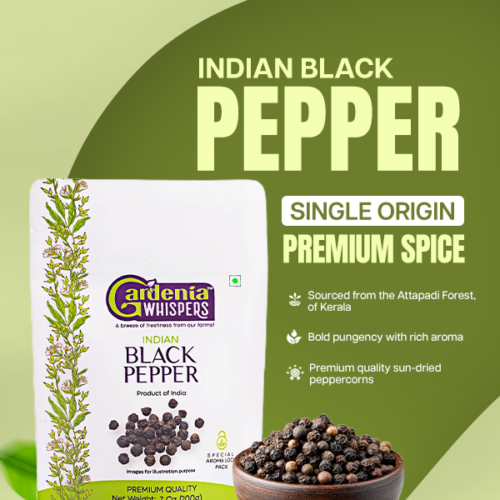
Sometimes you open a spice cabinet, take a few peppercorns out, and crush them over your egg dish, but you do not feel any sharpness of the pepper. You are just left with some powdery stuff that does not seem to have any taste apart from maybe being slightly cardboardy. The sad reality is that what you’re actually eating may not even be pure pepper. The so-called “King of Spices,” genuine pepper, is currently undergoing a massive identity problem in the world market, as it is being contaminated and people are using it together with cheap, inferior materials. So, if you are looking for the black pepper benefits, you cannot just get it from an ordinary grocery store shelf; it must come from a source that is traceable, verified chemically, and highly trustworthy.The medicinal power of black pepper (
Piper nigrum) truly lies in one very strong substance called piperine. You might think you are only losing flavor if you settle for mass-processed, inferior-quality black pepper. But, in truth, it is you who is missing out on essential health boosts that your body can take in through such natural medicines.From this place, let’s plunge into some scientific evidence-based black pepper benefits, we will be uncovering how the black pepper is adulterated and ultimately revealing why high-quality sources like Wayanad pepper are incomparable and unique.
Power of Piperine: What It Does and Why It Matters
To understand black pepper benefits fully, you have to start with piperine, its primary active compound. Piperine typically makes up 4 to 8 percent of the dry weight of a mature peppercorn depending on growing conditions and cultivar. It is responsible for the sharp, biting heat of
Indian black pepper and for its well-documented effects on how your body absorbs other nutrients.
- Nutrient absorption: Piperine inhibits specific intestinal and hepatic enzymes, primarily CYP3A4 and P-glycoprotein, that would otherwise metabolise or expel certain nutrients before they enter the bloodstream. The most documented example is curcumin from turmeric.Curcumin alone has very low bioavailability because it is rapidly broken down in the gut. Combined with piperine, absorption increases significantly. Pairing turmeric and black pepper in cooking is not just a traditional habit. It has a documented biochemical basis.
- Other nutrients: Studies confirm piperine improves absorption of vitamin C, selenium, beta-carotene, and certain amino acids.The mechanism is the same: enzyme inhibition that keeps nutrients available for absorption longer before they are metabolised or expelled.
- Antioxidant properties: Piperine helps neutralise free radicals, which are unstable molecules linked to oxidative stress and the development of chronic conditions over time.
- Anti-inflammatory action: Research confirms piperine suppresses inflammatory signalling pathways including NF-kB, which is involved in the body’s response to chronic low-grade inflammation. This is the basis for black pepper’s traditional use in managing joint discomfort and its inclusion in Ayurvedic formulations for inflammatory conditions.
- Thermogenic and metabolic effect: Piperine activates a receptor pathway known as TRPV1 (transient receptor potential vanilloid type 1), the same mechanism responsible for the heat response in chilli. This activation produces a mild thermogenic effect a temporary increase in metabolic rate as the body generates heat.
Guarding Your Health: Black Pepper for Immunity and Digestion

Traditional Indian medicine has long used kali mirch for immunity and digestion. The reason sits in what piperine and black pepper’s volatile oil profile actually do to these two systems.
- Immune support: Piperine activates macrophages, the white blood cells responsible for identifying and destroying foreign microorganisms. Black pepper’s volatile oil profile including caryophyllene and limonene delivers documented antimicrobial and antiviral action that supports respiratory tract defence.Using genuine black pepper during cold and flu season is a long-standing practice in Indian household medicine, and there is a clear compound-level reason for it.
- Respiratory support: The heating property of black pepper acts as a natural expectorant, helping to loosen mucus and ease congestion. This is one of the reasons black pepper appears in traditional formulations for respiratory conditions alongside ginger and long pepper.
- Digestive stimulation: Piperine stimulates the secretion of hydrochloric acid in the stomach, which is essential for the breakdown of proteins and the absorption of minerals including iron and calcium.Insufficient stomach acid leads to incomplete digestion, fermentation of undigested food, gas, bloating, and irritation in the intestinal lining. Regular consumption of genuine high-piperine black pepper actively supports gastric function. Commercially diluted pepper, stripped of adequate piperine, cannot replicate this effect.
- Enzyme production: Beyond stomach acid, genuine black pepper stimulates pancreatic enzyme production, supporting the speed and efficiency with which the body metabolises food and extracts nutrients from the digestive process.
How Black Pepper Is Adulterated: What’s Actually in Your Jar
Here’s the tricky part: even if you are a black pepper lover, you cannot expect all kinds of black pepper benefits if all you are consuming is ground pepper, which is not the genuine article but a cheap filler-laced product that also may contain synthetic chemicals. Since there is a huge volume of international trade of black pepper, it has been a favorite target for the black market. That way, black pepper has become quite possibly the most imitated spice on earth. Our guide on
how to identify pure spices covers this problem across the broader spice category.
The Problem with Papaya Seeds in Pepper
Dried papaya seeds (
Carica papaya) are the most widespread adulterant in whole black pepper. When dried, they are similar in size and surface appearance to black peppercorns, close enough that a casual inspection does not catch them. Papaya seeds contain no piperine. Every papaya seed in a batch directly reduces the piperine you receive per gram of pepper used. Beyond piperine dilution, papaya seeds have a distinctly different flavour profile and affect the taste of whatever you cook.
Other Forms of Industrial Contamination
The black pepper adulteration problem is only partially about fruit seeds. The whole supply chain of the big supermarket chains sacrifices purity to gain higher profits for the companies.
- Mineral Oil Coating: Cheap peppercorns are commonly covered with harmful mineral oils that mimic the appearance of high-quality dark pepper.
- Light Berries and Waste: Peppercorn rinds that are mostly hollow and contain almost no seeds or piperine are added to powders sold in shops to make a cheap, bulky volume.
How to Test Black Pepper Purity at Home
If you want proof that pepper is not mixed with anything else, you don’t have to go to a professional chemical factory. These simple and definite diagnostic tests can be done on your kitchen table.
1. Water Flotation Test: For Papaya Seeds and Hollow Berries Detection
This method separates papaya seeds added to pepper and hollow berries from regular pepper. After dropping a few whole peppercorns into a tall glass containing tap water, a few vigorous stirs will reveal the results.Peppercorns of pure and high density that are packed with natural oils will immediately reach the bottom, whereas pepper that has been mixed with papaya seeds and hollow, light-grade berries will rise to the top.
2. Spirit Rub Test: To Unmask Toxic Industrial Mineral Oils
To expose synthetic mineral oil added to the surface layer, spread some peppercorns on a white paper towel and saturate them with a little rubbing alcohol. Now gently press the peppercorns onto the paper towel.The paper towel staining yellow or showing any greasy, dark chemical spots implies that synthetic coatings have been applied to your spices.
3. Physical Crush Test: Matured Seed Density Confirmation
Using a heavy kitchen knife, flatten the side with your thumb and press a peppercorn firmly. An authentic, matured pepper berry releases sharp, oily fragments when crushed; a counterfeit or unmatured seed or pebble will easily break into powder and leave you only with fine, dusty, earthy, textureless residue.
Gold Standard: Wayanad Pepper vs. Malabar Black Pepper
Not all black pepper is equal, and the difference is not just brand or variety. It is geography and the growing conditions that geography creates.Black pepper grown in the Wayanad district of Kerala is cultivated at altitudes between 700 and 900 metres above sea level in laterite soils with high organic matter content. The growing conditions here are specific: consistent high rainfall averaging 2,000 to 3,000 mm annually, natural forest canopy shade that moderates temperature, and cool nights that slow the maturation process.This combination allows the peppercorn to develop a higher concentration of piperine and volatile compounds before harvest than is possible in lower-altitude, higher-intensity cultivation conditions. You can read the full account of how we select and verify each farm on our
sourcing process page.Wayanad pepper typically carries piperine content in the range of 6.5 to 8.0 percent of dry weight. Standard commercial black pepper from lower-altitude Malabar coastal cultivation typically falls between 3.5 and 5.0 percent. Malabar black pepper holds GI Application No.18 in India’s Geographical Indications Registry, one of the stronger GI protections in the Indian spice category. Wayanad falls within this broader Malabar growing zone, but within that zone, altitude and soil conditions produce a measurably more potent product.
| Attribute | Malabar Black Pepper | Wayanad Pepper |
|---|
| Terroir & Origin | Grown across the lower coastal plains of Kerala | Cultivated in high-altitude, misty mountain forests |
| Average Piperine Yield | Respectable 4.0% to 5.5% concentration | Exceptional 6.5% to 8.0%+ concentration |
| Aroma Profile | Sharp, direct heat with clean, classic spice notes | Deeply complex, fruity undertones with intense, slow-burning warmth |
| Harvest Methodology | Large-scale agricultural cooperative collection | Micro-lot, hand-harvested by traditional forest tribes |
Black Pepper vs White Pepper: Which One Has More Piperine?
Both black and white pepper come from the same plant,
Piper nigrum, but the processing method changes what ends up in your jar. Black pepper is harvested while the berry is still green, then sun-dried whole, allowing the outer husk to wrinkle and darken. This husk contains a significant portion of the volatile oils and piperine. White pepper is fully ripened, then soaked and hulled to remove the outer layer before drying.
Key Takeaways
- Prioritise true bioavailability: If any aspect is a determining factor for the black pepper benefits that you get from black pepper, it should be high concentrations of pure, untapped piperine.
- Identify common contaminants: The spice fraud industry commonly uses the practice of mixing papaya seeds in pepper or treating low-grade pepper berries with industrial mineral oil glazes to give them a better look. Learn how to identify pure spices across your entire spice cabinet.
- Execute regular quality controls: Keep your family safe by getting to know the black pepper purity self-test techniques through simple water flotation and structural crush checks.
- Invest in premium origins: By going with pure Wayanad pepper, you are getting twice as much of the active therapeutic substances as the generic commercial variety.
Final Thoughts
We have to acknowledge that spices are not only decorative flavor enhancers; they are very bio-strong substances that can protect us, heal us, and make us healthier from within through the consumption of a healthy body. If we decide to go for products of a lower ingredient grade, then the quality of our future health is in the bargain too. For a broader view of how single-origin Indian spices differ from commodity versions across the whole pantry, read
The Complete Indian Spice Guide.About Gardenia Whispers Black Pepper
At Gardenia Whispers, we source
Indian black pepper directly from Kerala’s Malabar growing belt. Every farmer’s samples are verified before any sourcing relationship is confirmed. We do not blend pepper from multiple origins or from different growing districts. What is on the label is what is in the jar.Our black pepper is available whole, sourced from a single growing region, and dispatched in moisture-resistant, UV-protective packaging to preserve volatile oil content. Also available as a
Black Pepper Gift Box.Read more about our sourcing and verification standards at our
quality promise page and certifications page. Related reading:
The Complete Indian Spice Guide and Best Indian Whole Spices to Keep in Your Kitchen.

 Traditional Indian medicine has long used kali mirch for immunity and digestion. The reason sits in what piperine and black pepper’s volatile oil profile actually do to these two systems.
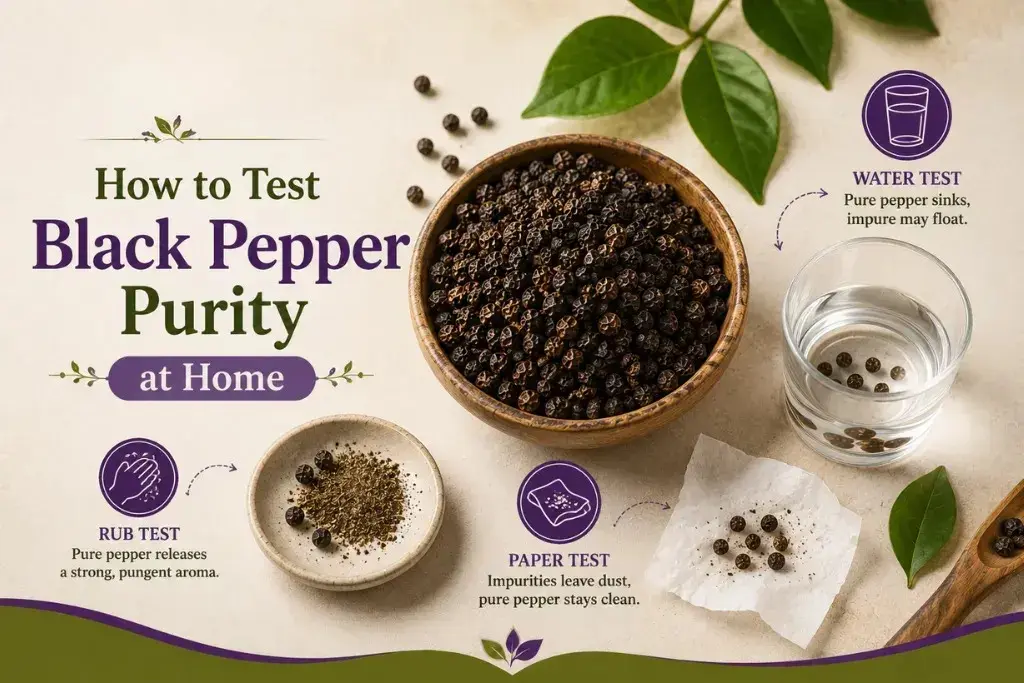 If you want proof that pepper is not mixed with anything else, you don’t have to go to a professional chemical factory. These simple and definite diagnostic tests can be done on your kitchen table.